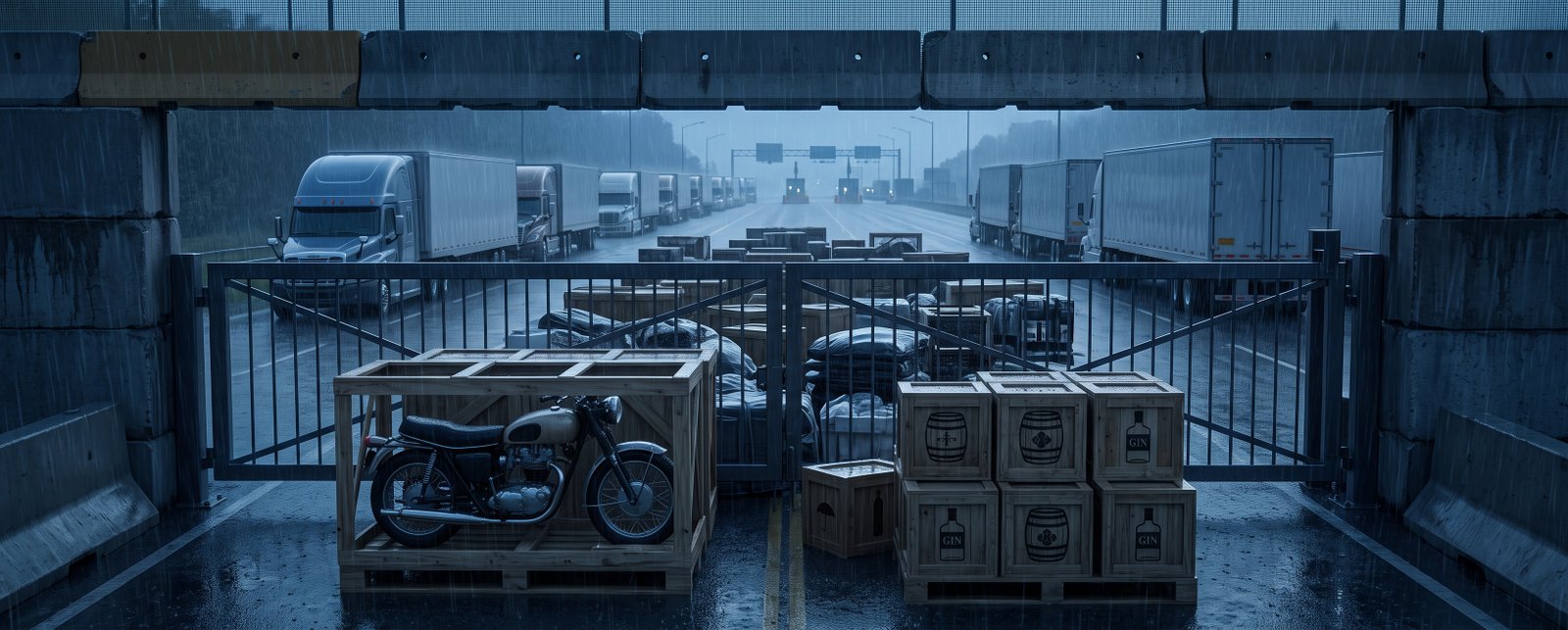
Mon, August 3, 2026, by Patricia Tapia, El Universal. Mexico is trying to avoid the next round of US tariffs. During public hearings held by the Office of the United States Trade Representative (USTR), Ernesto Acevedo Fernández, Minister of Economy at the Mexican Embassy in Washington and former Undersecretary of Foreign Trade, formally requested that the country be excluded from Washington's investigation under Section 301 regarding structural overcapacity in manufacturing sectors.
"There is no legal or factual basis for including Mexico," he stated before the U.S. committee.
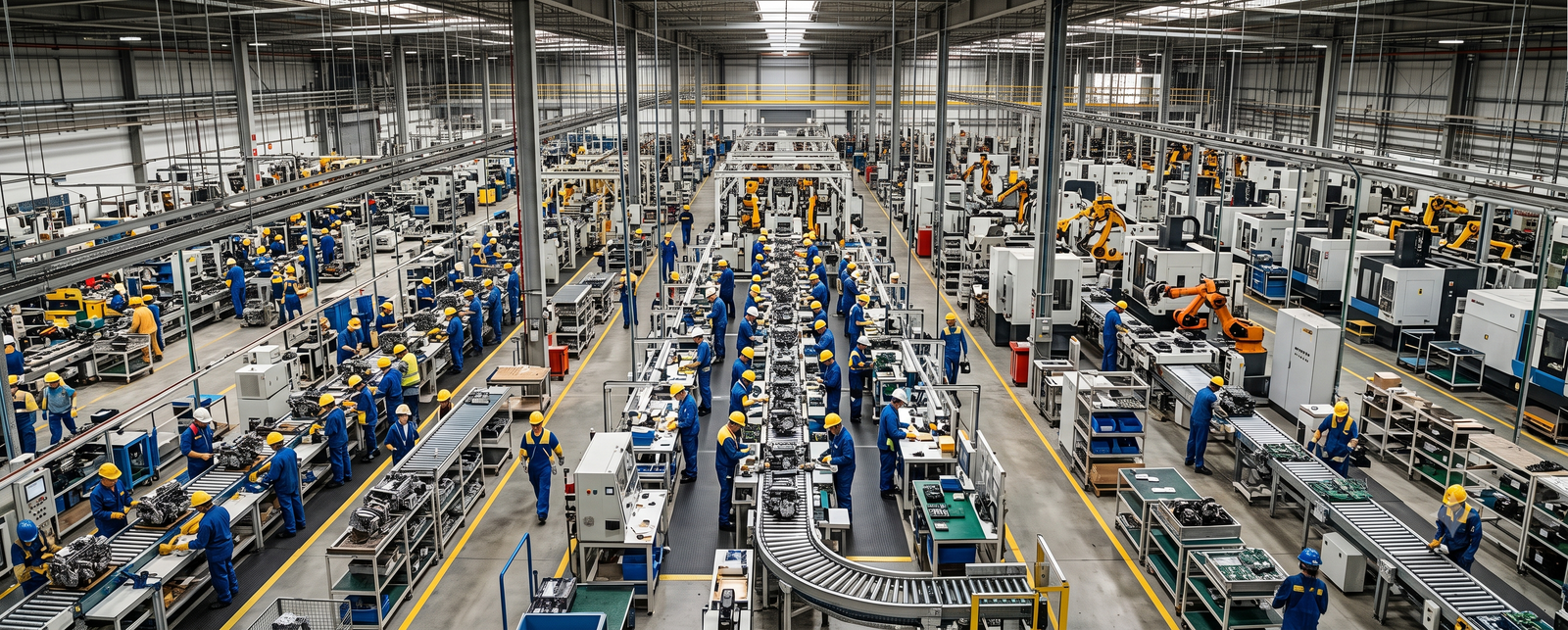
Mexico's defense centers on one argument: domestic manufacturing utilizes approximately 80% of its installed capacity, and decisions regarding new plants, production, technology, or expansion are made exclusively by companies, not the government.
The conclusion of this investigation could extend far beyond a technical debate. If Washington determines that Mexico engages in practices that generate structural overcapacity, Section 301 allows it to impose new trade measures, including tariffs.
Mexico rejects the accusation of overcapacity. The U.S. investigation seeks to determine whether some governments artificially boost industrial production through subsidies, preferential financing, trade barriers, state-owned enterprises, or interventions that lead to producing more than the market can absorb.
According to Acevedo, this model does not describe Mexico.
"Integration has been driven by private sector decisions in response to market conditions," he explained.
He added that the Mexican government does not participate in corporate decisions related to investment, production capacity, technology, or trade strategy.
He also noted that Mexico operates under market principles, that the Constitution prohibits monopolistic practices, and that the Mexican peso is determined by a free-floating exchange rate regime, without government manipulation.
From this perspective, he maintained, there is no evidence to attribute to the Mexican government a deliberate policy to generate surplus industrial capacity.
Higher Tariffs Expected
The main risk for Mexico lies not only in being part of the investigation.
The concern is that it could serve as grounds for a new round of U.S. tariffs.
Section 301 allows the United States to respond when it considers that acts, policies, or practices of another country are unjustifiable, discriminatory, or harmful to U.S. trade.
Tariffs are among those responses.
And the signs indicate that they could be more severe than other recent levies.
Silvia Armendáriz, compliance officer in Mexico for Livingston International, believes that Washington will continue to use tariffs as a central tool of its trade policy and estimated that measures related to manufacturing overcapacity could reach higher levels.
"From my very personal perspective, I think they could indeed be higher," she stated.
She explained that some of these tariffs might maintain exceptions for products that comply with the USMCA's rules of origin, although this protection would not necessarily apply to all trade measures adopted by Washington.
This opinion aligns with the analysis of The Conference Board.
The organization identifies the investigation into structural overcapacity as one of the main trade risks for companies in the coming months and notes that the USTR has an open investigation against 16 trading partners. Furthermore, it warns that the tariffs resulting from this process could be "potentially high."
In some cases, they could even be combined with other sectoral levies, such as those applied to steel, aluminum and automobiles, generating burdens similar to or greater than those observed during the so-called "Liberation Day" tariffs.
https://expansion.mx/economia/2026/08/03/mexico-responde-eu-aranceles-sobrecapacidad